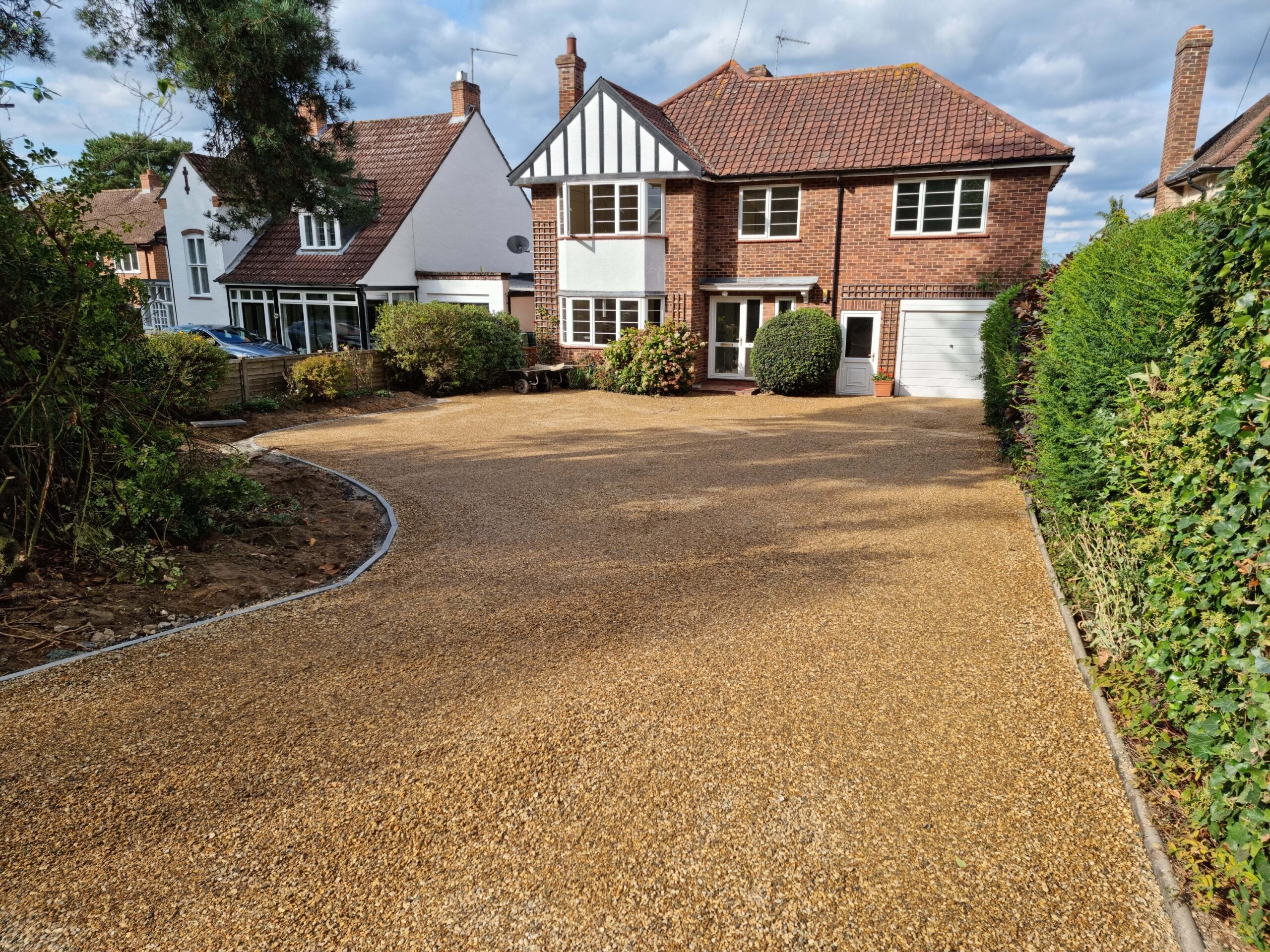
Why Do Tarmac Driveways Need a Strong and Stable Sub-Base?
When looking at a newly completed tarmac driveway, the smooth surface is naturally the part that receives the most attention. However, much of the driveway’s long-term performance depends on something that cannot be seen once the installation is finished: the sub-base beneath it.
Tarmac is designed to create a durable and practical driveway surface, but it needs appropriate support. If the layers underneath are weak, uneven or poorly compacted, the finished surface can eventually move with them. Depressions, cracking and uneven areas can therefore originate below the visible tarmac rather than being caused by the surface material itself.
For homeowners in Downham Market, Norfolk, understanding the importance of proper groundwork helps explain why professional driveway preparation is such an essential part of a successful tarmac installation.
What Is the Sub-Base of a Tarmac Driveway?
The sub-base is a structural layer installed beneath the upper driveway construction.
Its purpose is to create a firm and stable platform capable of supporting the surface above while distributing the loads created by vehicles using the driveway.
A properly constructed driveway is therefore not simply a layer of tarmac placed over existing ground.
Before surfacing takes place, the underlying area needs to be appropriately prepared so that each layer has dependable support.
The quality of this preparation can make a significant difference to how well the completed driveway performs.
Tarmac Needs Support From Below
The visible surface cannot compensate for weak groundwork
Tarmac provides the finished driving surface, but it is not designed to overcome substantial movement underneath it.
If poorly prepared ground settles after installation, the surface above can begin following the same movement.
This can contribute to:
- Localised sinking
- Depressions
- Cracking
- Uneven sections
- Poor surface falls
- Areas where water collects
This is why focusing solely on the appearance of the finished tarmac misses an important part of driveway construction.
A good driveway starts below the surface.
The Sub-Base Helps Distribute Vehicle Loads
Every time a vehicle travels across or parks on a driveway, its weight is transferred through the surface into the layers below.
A well-prepared sub-base helps spread these loads across a wider area rather than allowing excessive pressure to become concentrated in individual sections.
This is particularly important where vehicles repeatedly:
- Park in the same position
- Turn on the driveway
- Travel along the same route
- Enter and leave at the same point
Without adequate underlying support, these regularly loaded areas can become more vulnerable to movement.
Compaction Is Essential
Simply placing sub-base material into an excavated area does not automatically create a stable foundation.
It needs to be properly compacted.
Compaction reduces unnecessary voids within the material and creates a denser, more stable layer.
If this stage is inadequate, material can continue settling after the tarmac has been installed.
The result may not appear immediately. A driveway can initially look smooth before gradual movement underneath starts affecting the finished surface.
Proper compaction during construction helps reduce this risk.
Why Ground Preparation Comes Before the Sub-Base
A strong foundation needs suitable ground beneath it
The sub-base itself also depends on the condition of the ground below.
Before construction begins, unsuitable material and existing surface layers may need to be removed to create an appropriate formation.
The required preparation depends on the individual site.
Factors that can influence the groundwork include:
- Existing surface condition
- Ground stability
- Previous driveway construction
- Required finished levels
- Drainage
- Intended vehicle use
Professional installation takes these factors into account before the visible driveway surface is created.
What Happens When the Sub-Base Is Too Weak?
A weak sub-base may allow movement to develop under repeated use.
Because the tarmac follows the support beneath it, this movement can eventually become visible at the surface.
Typical symptoms can include:
Sunken areas
Sections may gradually become lower than surrounding parts of the driveway.
Cracking
Movement beneath the surface can place stresses on the tarmac and contribute to cracking.
Unevenness
Different areas can settle at different rates, creating an inconsistent surface.
Standing water
Settlement can alter the intended surface levels, potentially creating low areas where rainwater collects.
These symptoms demonstrate why repairing only the visible surface is not always sufficient.
Surface Cracks Can Sometimes Begin Below the Tarmac
Not every crack has the same cause.
Some cracks are associated with deterioration of the surface itself, while others can develop because movement is occurring within the underlying construction.
This distinction matters when considering repairs.
If a crack is repeatedly repaired but continues returning, there may be an underlying issue that has not been addressed.
Professional assessment can help establish whether attention is required only at surface level or whether the supporting layers also need investigation.
A Stable Sub-Base Helps Maintain an Even Surface
One of the advantages of a professionally installed tarmac driveway is its smooth, continuous appearance.
Maintaining that appearance depends heavily on the stability of the underlying construction.
If one section settles while another remains stable, the driveway can develop dips or uneven transitions.
A properly prepared and compacted sub-base provides more consistent support across the complete area, helping the finished tarmac maintain its intended profile.
Good Foundations Support Effective Drainage
Driveway levels matter when managing surface water
A driveway should be constructed with appropriate falls so that rainwater can move as intended rather than sitting unnecessarily on the surface.
Those falls depend on stable underlying layers.
If the sub-base settles after installation, carefully established levels can change.
An area that originally drained effectively may eventually develop a depression where water begins collecting.
Stable groundwork therefore supports both the structural performance of the driveway and the maintenance of appropriate finished levels.
Edges Also Depend on Good Preparation
Driveway edges can experience significant stresses, particularly where vehicles regularly travel close to them.
Proper construction should therefore consider the complete driveway rather than concentrating only on the centre.
Suitable edge support and well-prepared underlying material help maintain the shape of the finished surface.
Weakness around the perimeter can contribute to deterioration even if the main central section remains relatively stable.
Why Adding More Tarmac Does Not Fix a Weak Foundation
When a driveway develops dips or cracks, simply covering the affected area with additional surfacing may seem like an easy solution.
However, if movement underneath caused the original problem, adding another surface layer does not necessarily correct it.
The new material is still being supported by the same unstable construction.
If that construction continues moving, defects can eventually become visible again.
Effective repairs therefore depend on identifying the cause rather than concentrating solely on covering the symptom.
Existing Driveways Need Assessment Before Resurfacing
Resurfacing can be appropriate where an existing driveway has a suitable underlying structure but its upper surface has become worn.
The condition of the base should therefore be considered before new tarmac is installed.
If the existing driveway contains:
- Significant settlement
- Widespread movement
- Deep depressions
- Repeated cracking
- Unstable areas
the underlying problems may need attention first.
Installing a new surface over substantial structural defects can transfer those weaknesses into the resurfaced driveway.
The Required Foundation Depends on Driveway Use
Not every driveway experiences exactly the same demands.
The number and type of vehicles using the area can influence how the driveway needs to be constructed.
A driveway should therefore be planned around its intended use rather than treated as a purely decorative surface.
Professional preparation considers the loads the area is expected to experience so that the supporting construction is appropriate for everyday use.
Turning Areas Can Experience Concentrated Stress
Vehicle movement does not place identical demands on every part of a driveway.
Areas where vehicles turn, brake or repeatedly change direction can experience concentrated forces.
Similarly, the entrance may receive particularly frequent loading because every vehicle passes across the same section.
A consistent and well-compacted foundation helps these high-use areas remain properly supported.
Why Professional Installation Matters
The most important stages of tarmac driveway construction are not always the most visible.
Once the surface has been laid, it can be difficult to judge how thoroughly the underlying preparation was completed.
Professional driveway installation considers:
- Excavation
- Ground condition
- Sub-base construction
- Compaction
- Levels
- Drainage
- Edge support
- Surface installation
Each stage contributes to the performance of the completed driveway.
A high-quality tarmac finish is most effective when the construction underneath has received the same level of attention.
Good Groundwork Helps Reduce Future Problems
No outdoor surface remains completely unaffected by use and weather indefinitely, but correct construction can help prevent avoidable problems associated with inadequate preparation.
A strong sub-base helps reduce the likelihood of premature:
- Settlement
- Movement
- Unevenness
- Depressions
- Structural cracking
This makes groundwork an investment in the overall performance of the driveway rather than simply a preliminary stage that needs to be completed before surfacing begins.
Why Shortcuts Below the Surface Can Become Visible Later
Poor groundwork can be deceptive because the completed driveway may initially appear perfectly satisfactory.
Fresh tarmac can create a smooth surface regardless of what lies beneath it.
Problems often become apparent only after the driveway has experienced repeated vehicle loading and changes in weather conditions.
If inadequately compacted material begins settling, the surface can gradually reveal what has happened underneath.
This is why correct preparation from the beginning is preferable to trying to correct foundation problems after the driveway has been completed.
A Good Tarmac Driveway Is a Complete Construction
Homeowners considering a new tarmac driveway should look beyond the surface material itself.
The finished driveway is the result of several construction stages working together.
The visible tarmac provides the practical wearing surface, while the layers below provide the stability required to support it.
Neither should be considered independently.
A professionally installed driveway combines suitable groundwork, dependable support, appropriate levels and careful surfacing to create a complete system.
Professional Tarmac Driveways in Downham Market
At Downham Market Driveways, we provide professional driveway services for properties throughout Downham Market, Norfolk.
When installing a tarmac driveway, we understand that achieving a durable result begins with appropriate preparation. The condition of the ground, supporting layers, compaction, levels and drainage all need to be considered before the finished surface is laid.
By focusing on the complete driveway construction rather than simply its visible appearance, the aim is to create a stable, practical surface suited to regular use.
Conclusion
A strong and stable sub-base is essential because tarmac relies on the construction beneath it for support. The sub-base helps distribute vehicle loads, maintain consistent levels and reduce unnecessary movement that could otherwise contribute to sinking, cracking and uneven areas.
Even the best-looking tarmac surface cannot compensate indefinitely for poorly prepared groundwork. If the layers underneath begin moving, the visible driveway can eventually move with them.
If you are considering a new or replacement tarmac driveway in Downham Market, Norfolk, contact Downham Market Driveways. We can assess the area and provide professional driveway installation with careful attention to the groundwork and preparation that support a dependable finished surface.
Call us on: 01366 310 684
Click here to find out more about Downham Market Driveways
Click here to complete our contact form and see how we can help with your driveways.