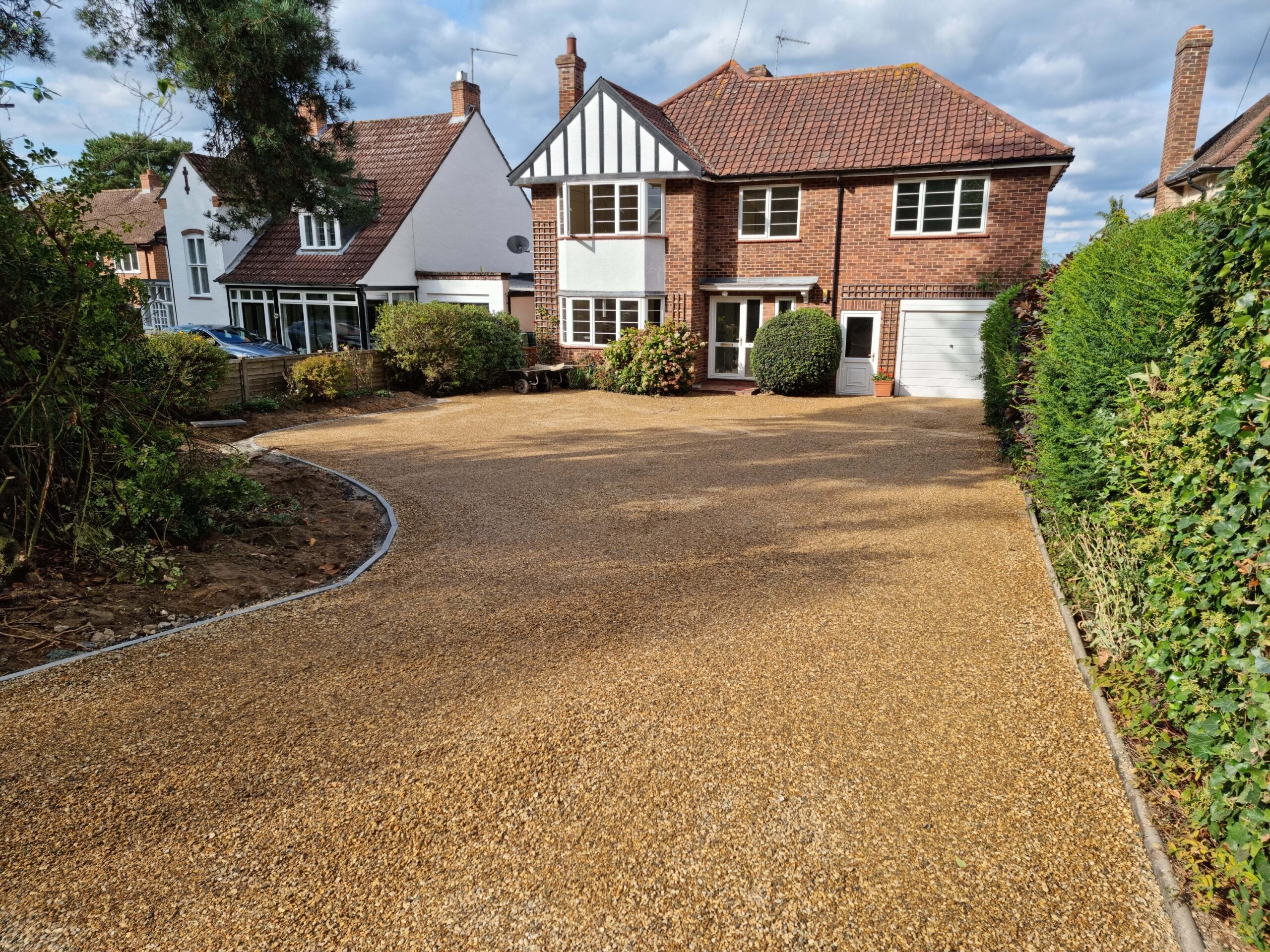
Why Tarmac Is a Practical Choice for Garden Patios
A garden patio can provide a useful outdoor space for relaxing, dining and spending time with family. Choosing the right surface is important, as it needs to complement the garden while remaining practical throughout the changing seasons. Tarmac is often associated with driveways and access areas, but it can also be a suitable option for patios where a smooth, functional and easy-to-maintain finish is desired.
For homeowners in Downham Market, Norfolk, a professionally installed tarmac patio can offer a straightforward way to create a defined outdoor living area. Its suitability depends on the garden’s layout, drainage requirements and intended use, so it is worth understanding the benefits before deciding on a surface.
What Makes Tarmac Suitable for Garden Patios?
Tarmac creates a continuous surface without the individual joints found between paving slabs or blocks. This can give a patio a clean, uncluttered appearance and provide a practical area for garden furniture, outdoor dining and everyday activities.
Its relatively smooth finish also makes it convenient to walk across and helps furniture sit more evenly when the surface has been laid correctly. For gardens used regularly by children and adults, having a clearly defined, stable area can make the outdoor space more functional.
Tarmac can also work well where homeowners prefer a simple, understated design. It provides a neutral backdrop for planting, lawn edges, raised beds and decorative garden features.
Durability and Everyday Use
A patio needs to cope with regular foot traffic, outdoor furniture and exposure to the weather. Tarmac is a resilient surfacing material when installed over a suitable, well-prepared foundation.
The strength of the finished surface depends on several factors, including ground preparation, the condition of the sub-base, material selection and correct installation. Without adequate preparation, the surface may develop depressions, cracks or areas of movement over time.
For this reason, professional installation is important. A suitable foundation helps distribute loads evenly and supports the surface during everyday use. Correct edging can also help maintain the patio’s shape and reduce the risk of the edges deteriorating.
Drainage and Weather Considerations
Outdoor surfaces must be designed to manage rainwater effectively. Standing water can make a patio less convenient to use and may contribute to deterioration if drainage is poorly planned.
When installing a tarmac patio in Downham Market, Norfolk, the ground conditions and surrounding levels should be assessed carefully. The finished surface needs an appropriate fall so that water drains towards a suitable area rather than collecting near the house or flowing into unwanted locations.
The existing garden layout, nearby walls and connections with other paved areas can all influence the design. Addressing drainage during installation helps create a patio that remains more practical in wet weather.
Designing a Tarmac Patio for Your Garden
Tarmac patios can be adapted to different garden shapes and sizes. A simple rectangular layout may suit a dining area, while a wider paved section can provide space for seating and other outdoor furniture.
The overall result depends on how the patio connects with the rest of the garden. Defined edges can create a neat transition between the surface, lawn and planting areas. Where the patio meets a path or driveway, careful planning helps maintain a consistent and functional layout.
It is also important to consider how the area will be used. A patio intended mainly for seating may require a different layout from one designed to connect several parts of the garden. Planning these details before work begins helps ensure the finished surface serves a clear purpose.
Maintaining a Tarmac Patio
One advantage of tarmac is that routine cleaning is generally straightforward. Removing leaves, soil and other debris helps keep the surface tidy and prevents organic material from accumulating.
It is sensible to inspect the patio periodically for cracks, loose edges or areas where water collects. Addressing minor problems early can help prevent them from developing into more extensive surface damage.
Avoid allowing weeds and vegetation to establish around the edges, particularly where the surface meets soil or garden beds. Following appropriate maintenance advice from your installer can also help preserve the patio’s condition.
Is Tarmac the Right Patio Surface for You?
Tarmac may be a good choice if you want a durable, practical surface with a simple appearance and relatively straightforward maintenance. It is particularly worth considering when functionality and a continuous finish are more important than the decorative patterns associated with some paving materials.
However, the right option depends on your preferences, garden design and drainage requirements. Considering these factors alongside the intended use of the patio will help you decide whether tarmac is the most suitable solution for your property.
Conclusion
Tarmac can provide a durable and functional garden patio when supported by proper ground preparation, effective drainage and professional installation. Its smooth finish and straightforward maintenance make it a practical option for homeowners looking to create a useful outdoor living space.
If you are considering a new tarmac patio in Downham Market, Norfolk, Downham Market Driveways can help you explore suitable surfacing options for your garden. Get in touch to discuss your requirements and arrange a professional installation tailored to your outdoor space.
Call us on: 01366 310 684
Click here to find out more about Downham Market Driveways
Click here to complete our contact form and see how we can help with your driveways.